A Region on the Brink
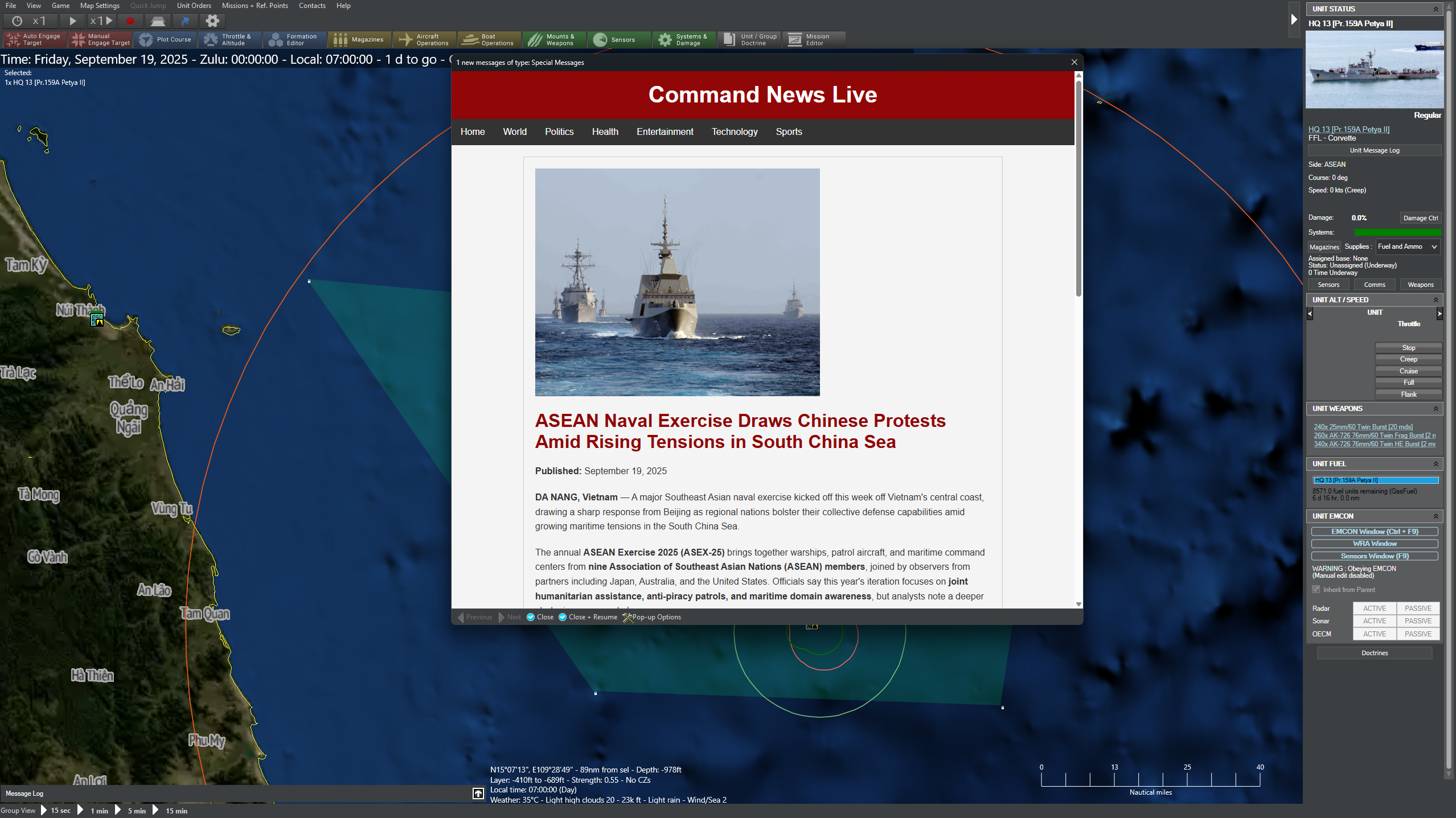
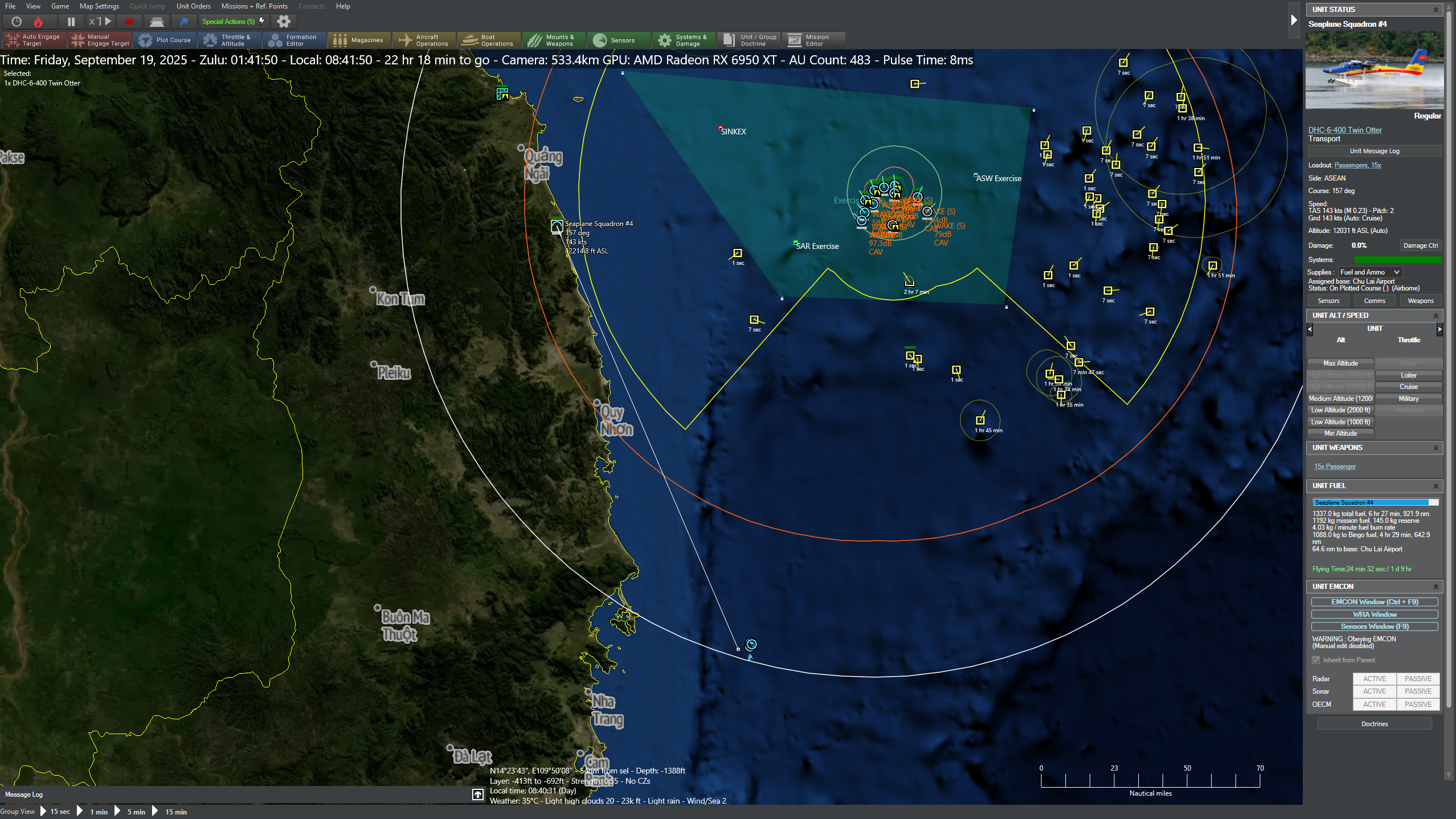
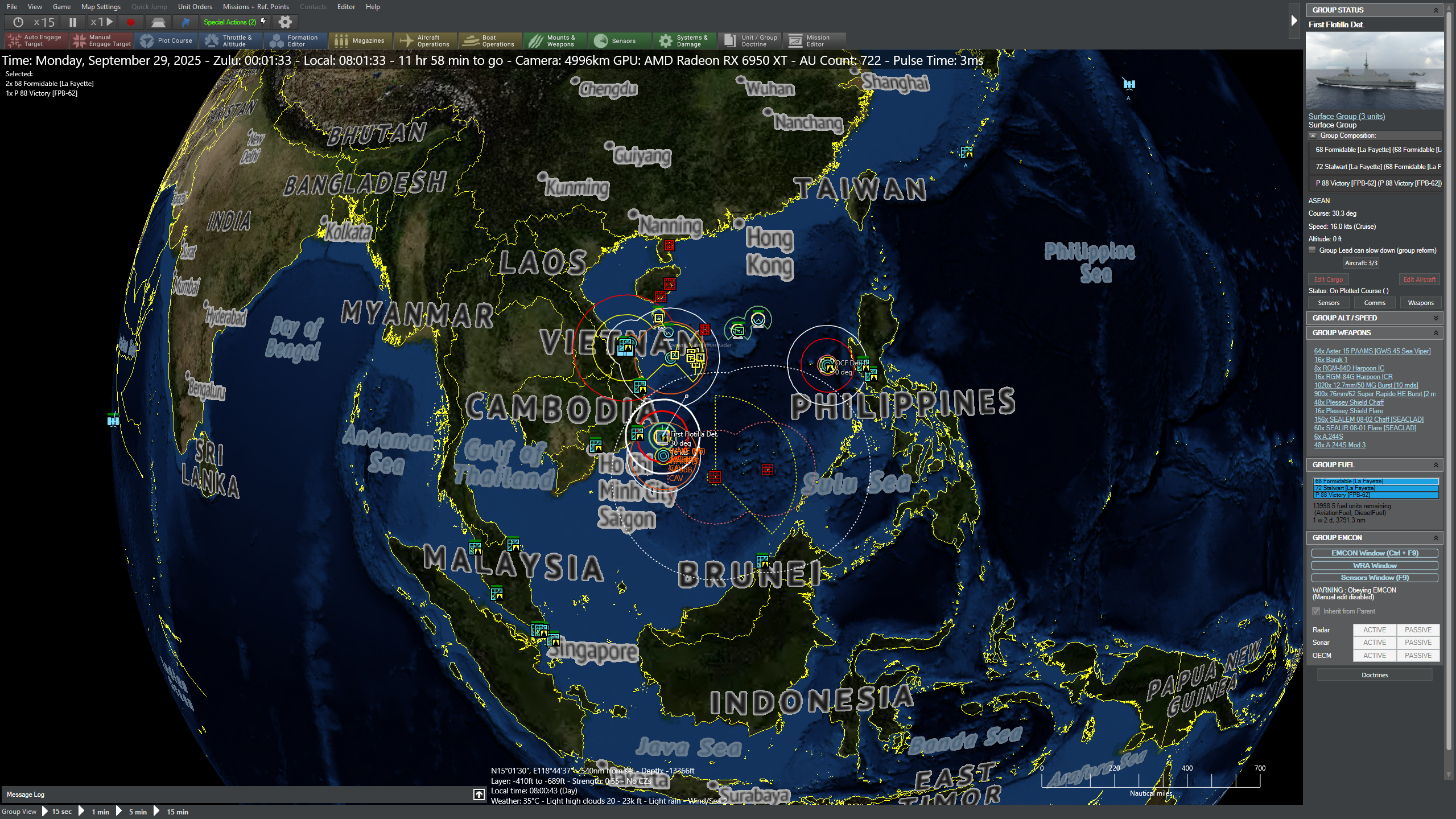
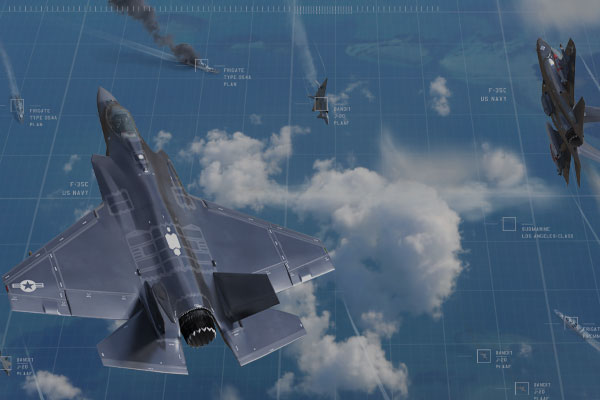
The year is 2025. What began as a trade partnership has evolved into a militarily coordinated bloc as ASEAN responds to mounting pressure and coercive activity in disputed waters. Following the success of previous joint exercises, ASEAN launches ASEX-25, a bold, week-long demonstration of unity featuring land drills in Malaysia and major naval and air operations north of China’s 9-Dash Line.
Beijing views a unified, militarized ASEAN as a direct challenge to its regional ambitions. In response, China deploys its Maritime Militia and Coast Guard forces to harass and disrupt the exercise—triggering a dangerous escalation ladder that could ignite the entire theater.
You command ASEAN forces through this unfolding crisis.
Campaign Structure – Escalation by Design
Tides of War unfolds across six tightly focused scenarios, each covering up to 24 hours of operations and 1–2 primary objectives. The campaign traces a deliberate path from gray-zone coercion to full-scale conventional conflict:
-
ASEX-25: Non-kinetic confrontation as maritime militia vessels intrude into exercise zones. Issue warnings, conduct boardings, and use non-lethal force to maintain order.
-
Pay to Park: Militia flotillas anchor provocatively near the Paracels, drawing coast guard forces into tense standoffs.
-
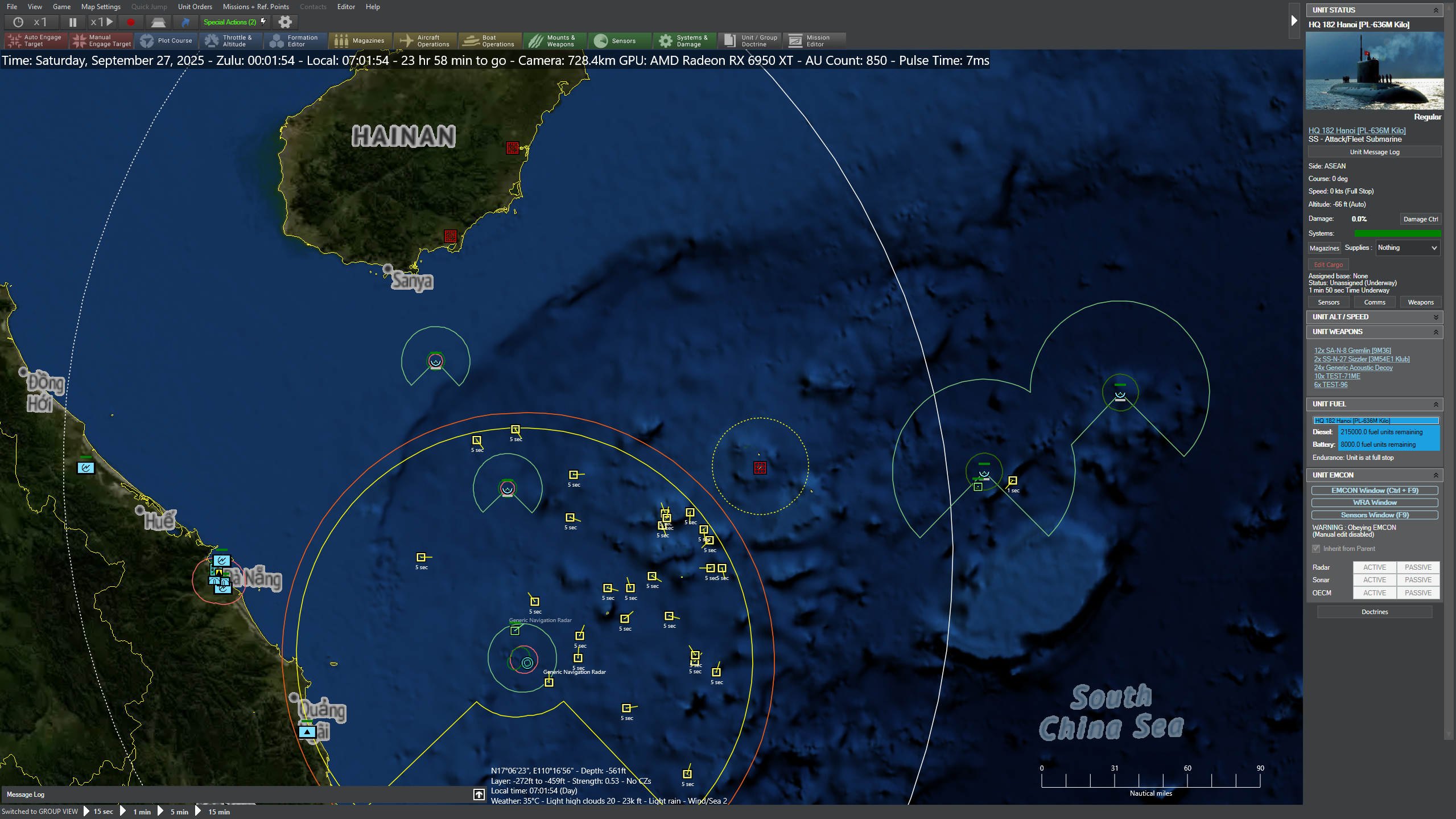
Apocalypse No: Intelligence reveals a convoy reinforcing Chinese island bases with missiles and SAM systems. Submarine forces must intercept.
-
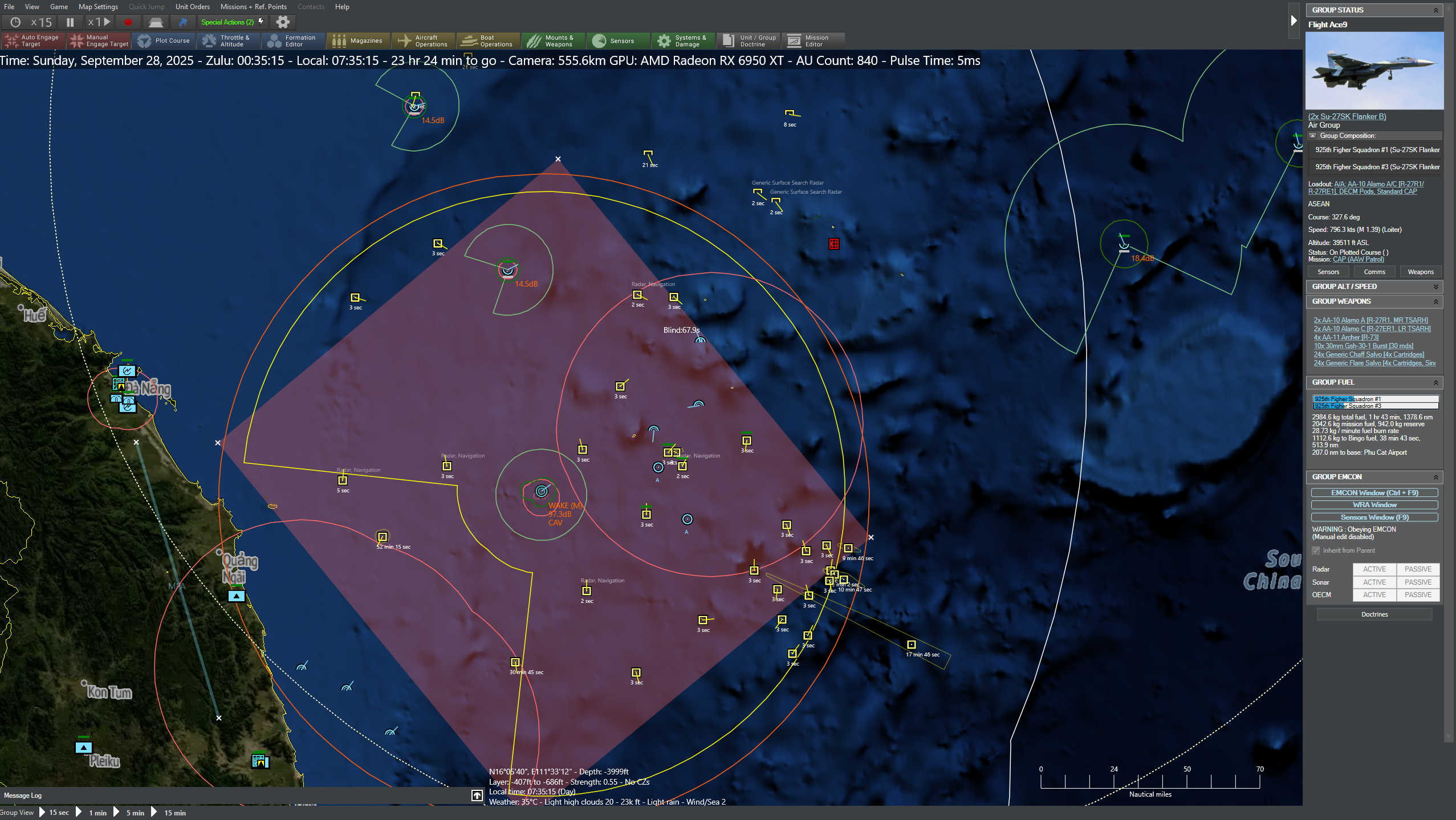
Paracel Strike: ASEAN launches precision strikes on militarized island facilities. Mainland air power responds.
-
One Vision, One Identity, One Community: A new Southern Theater commander seeks decisive retaliation, deploying a carrier group into contested waters.
-
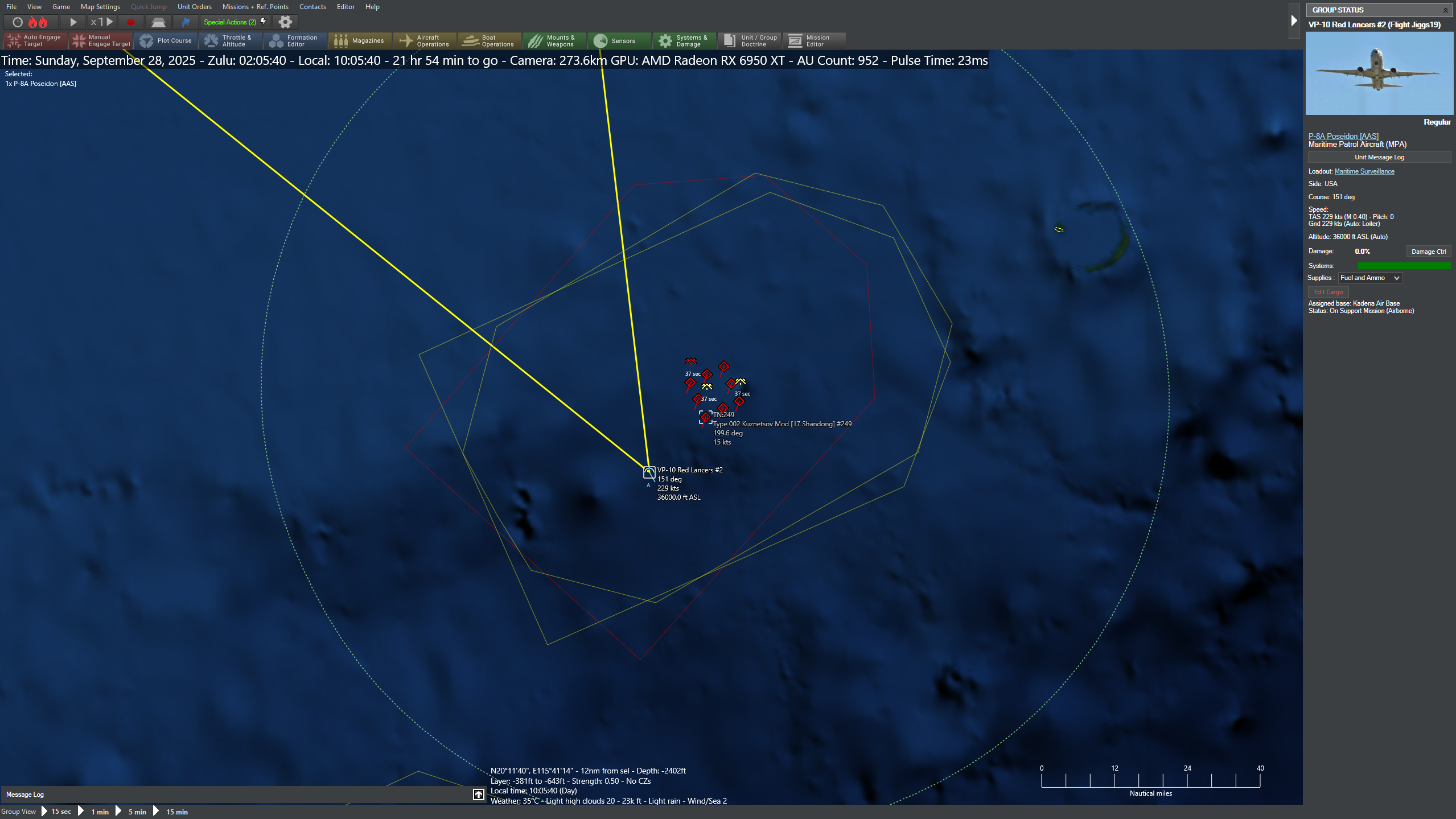
The Battle of the South China Sea: Full-theater engagement as ASEAN’s combined air forces fight to preserve naval power and regional balance.
Continuous Loss System: Every Decision Matters
A defining feature of Tides of War is its Continuous Loss Script design:
-
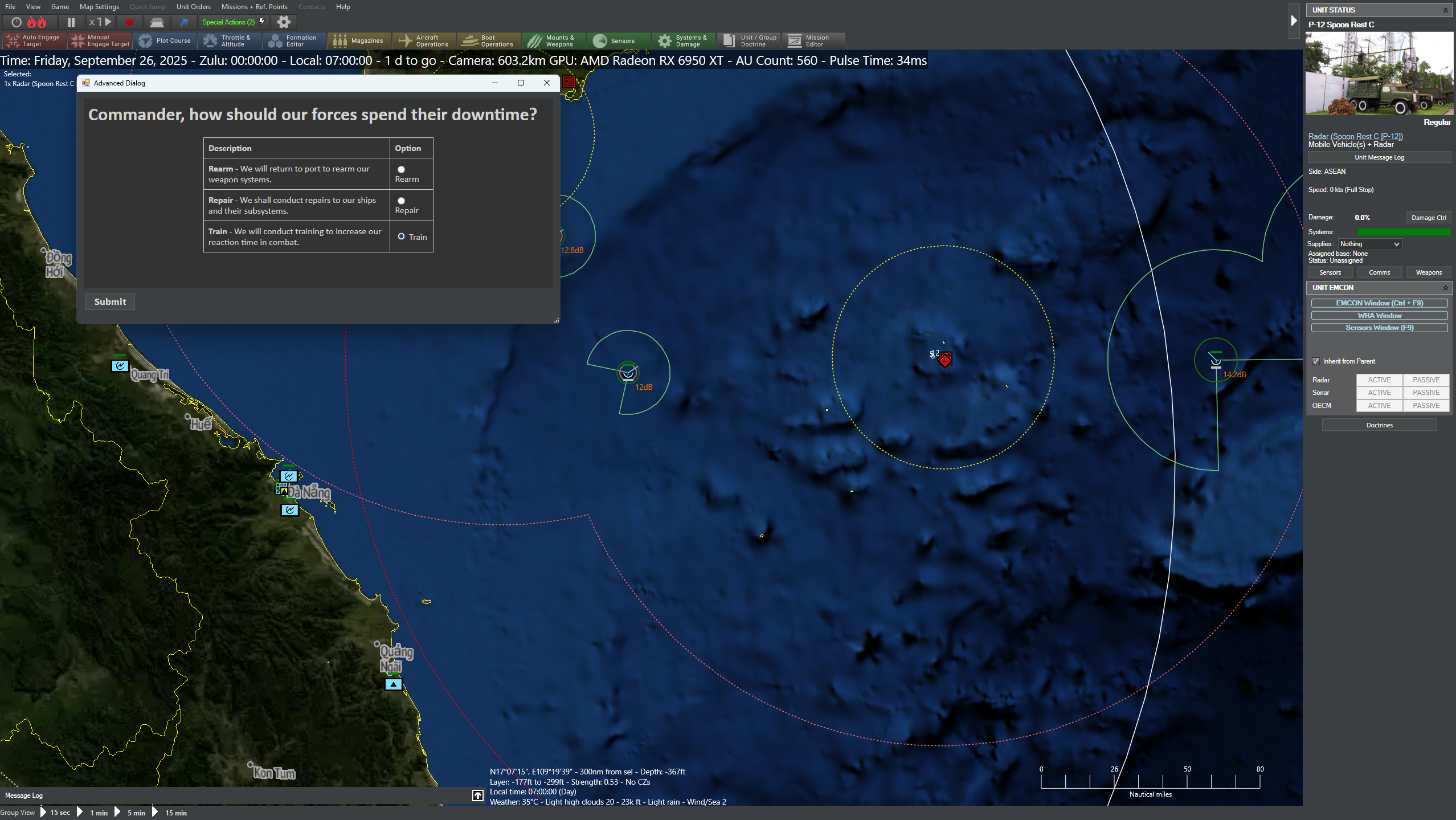
Losses and damage carry forward between scenarios.
-
Attrition accumulates across the campaign.
-
Early caution, or recklessness, directly shapes the final battle.
The first five scenarios become a strategic balancing act: complete objectives while preserving combat power for the climactic confrontation. Survival, restraint, and force protection are just as important as aggression.
Design Philosophy
Unlike platform-focused showcase scenarios, Tides of War emphasizes:
Each scenario serves as a focused operational study in crisis escalation, testing both tactical skill and long-term operational judgment.
Base Games (one is required)
Command: Modern Operations
- OS: Windows 10
- Processor: Quad-Core, 4th-generation Intel or equivalent
- Memory: 8 GB RAM
- Graphics: DX11 compatible GeForce GT 1030+ or equivalent
- DirectX: Version 11
- Storage: 40 GB available space